

BPC-157 and TB-500 (Thymosin Beta-4) are two of the most extensively researched peptides in the field of tissue repair and regeneration. While each has been studied independently with promising preclinical results, the combination has attracted significant research interest due to their complementary mechanisms of action.
BPC-157: Localised Repair Mechanisms
BPC-157 is a 15-amino-acid synthetic peptide derived from a protective protein found in human gastric juice. Its primary research focus has been on localised tissue repair. Preclinical studies have investigated its effects on tendons, ligaments, muscles, and the gastrointestinal tract.
Key mechanisms identified in animal model research include upregulation of growth factors (VEGF, FGF, EGF), modulation of the nitric oxide system, and promotion of angiogenesis (new blood vessel formation) at injury sites.
TB-500: Systemic Repair and Cell Migration
TB-500 is a synthetic fragment of Thymosin Beta-4, a 43-amino-acid protein that is naturally present in virtually all human and animal cells. TB-500 research has focused on its role in systemic repair processes, particularly cell migration and differentiation.
TB-500 interacts with actin, a protein that forms the structural framework of cells. By promoting actin polymerisation, TB-500 may facilitate cell migration to sites of damage — a critical early step in tissue repair.
The Combination Rationale
The BPC-157 / TB-500 combination is popular in research because the two peptides appear to target different stages of the repair cascade:
- BPC-157 — focuses on growth factor upregulation and angiogenesis at the local level
- TB-500 — promotes systemic cell migration and reduces inflammation through actin regulation
Some researchers also study the triple combination of BPC-157 + TB-500 + KPV, adding an anti-inflammatory peptide to the protocol.
Other Peptides in Repair Research
Beyond BPC-157 and TB-500, other peptides being studied for tissue-related mechanisms include:
- GHK-Cu — a copper peptide studied for its role in collagen synthesis, wound remodelling, and antioxidant enzyme regulation
- AOD-9604 — a fragment of human growth hormone studied for its effects on cartilage and bone repair in animal models
Reconstitution
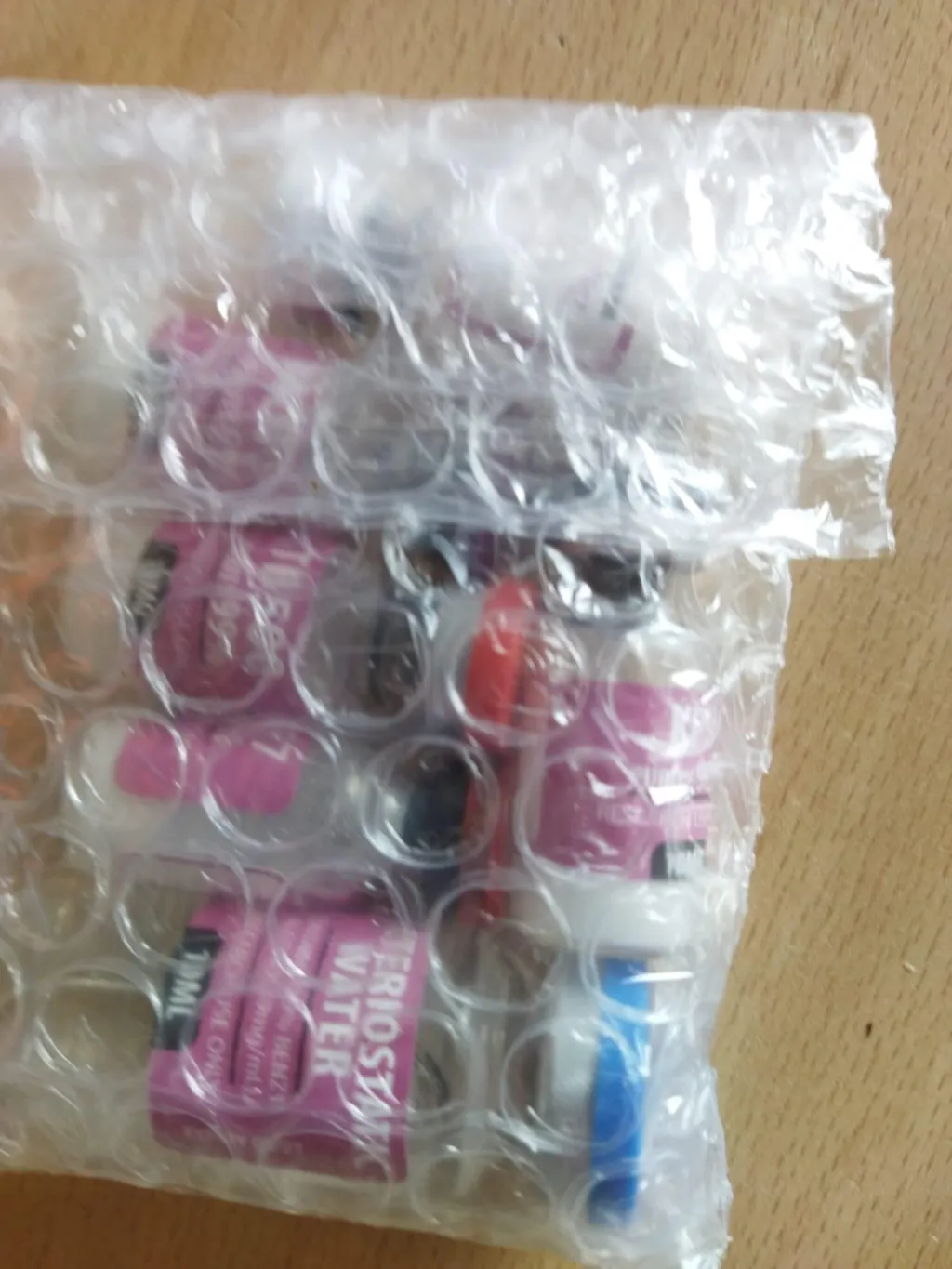
Both BPC-157 and TB-500 should be reconstituted with bacteriostatic water and stored at 2-8°C. For detailed instructions, see our reconstitution guide. Use the dosage calculator to determine volumes for your experimental protocol.
This article is for educational and informational purposes only. All peptides sold by Regen Peptides are strictly for in-vitro research and laboratory use. Not for human consumption.