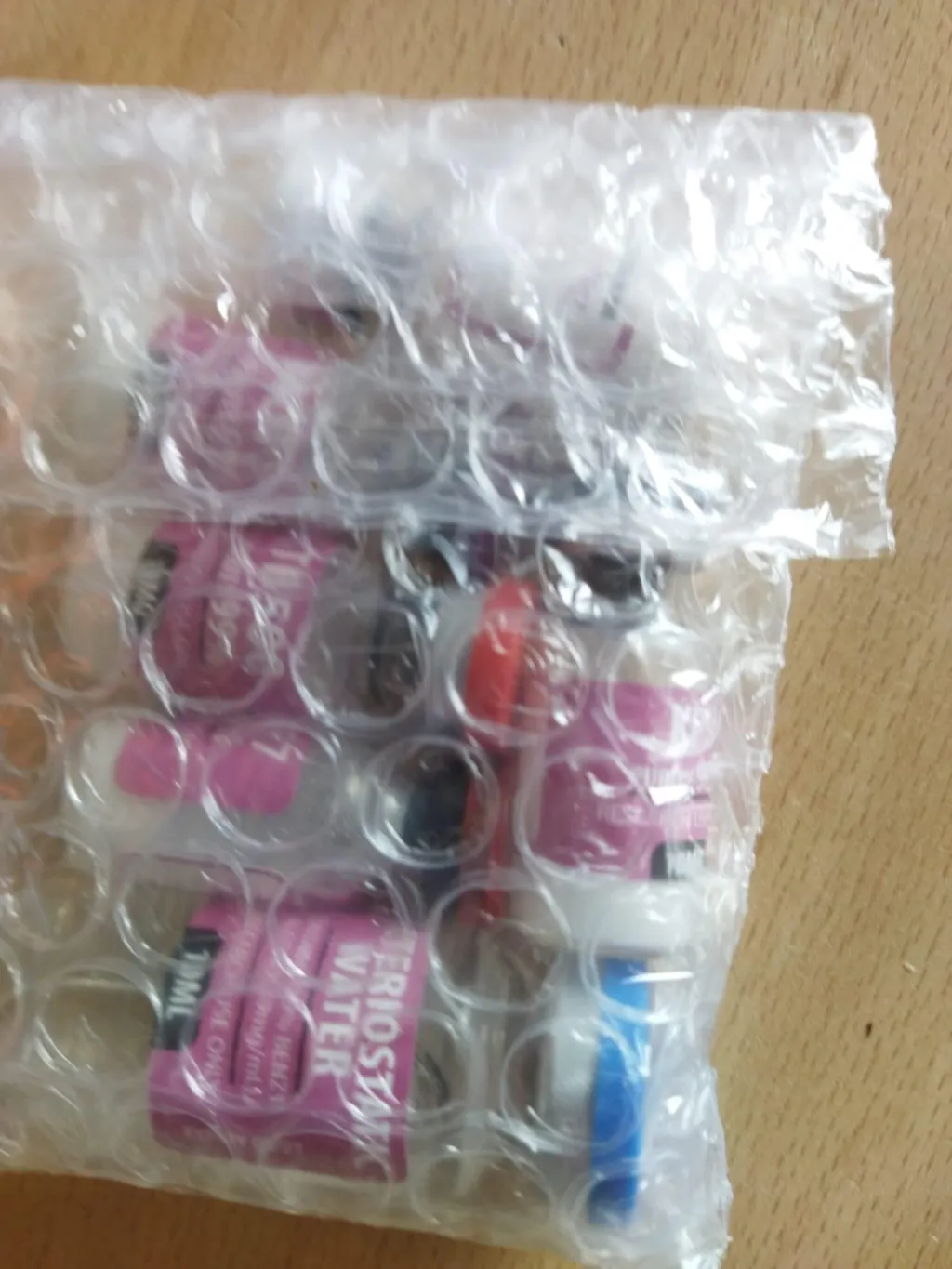

Your BPC-157 vial has arrived. It contains a small amount of white lyophilised powder — freeze-dried peptide that needs to be dissolved back into solution before it can be used in research.
What is BPC-157 and what is it used for in research?
The process is straightforward and takes under five minutes, but doing it correctly matters: the wrong technique can denature the peptide, compromise your solution, or reduce its usable shelf life significantly.
This guide is written specifically for BPC-157 reconstitution. It covers everything from equipment to concentration calculations, includes a full reference table for common vial sizes, explains the reasoning behind each step, and addresses the problems researchers actually encounter.
What You Need
Before you begin, gather the following:
Essential:
- Your BPC-157 vial (lyophilised powder)
- Bacteriostatic water (BAC water) — not plain sterile water, not saline (see below)
- Two syringes: one larger (2–3ml) for drawing the BAC water, one insulin syringe (U-100, 0.5ml or 1ml) for measuring doses
- Alcohol wipes — 70% isopropyl alcohol
Optional but recommended:
- Clean surface or sterile mat
- Disposable gloves
- A permanent marker to date the vial
Allow your BPC-157 vial to come to room temperature before reconstituting. Cold powder reconstitutes more slowly and can appear to resist dissolving even when the peptide is intact.
Why Bacteriostatic Water — and Not Sterile Water
This is the most important equipment choice you will make, and most guides do not explain it thoroughly enough.
Bacteriostatic water (BAC water) is sterile water for injection containing 0.9% benzyl alcohol. That preservative prevents microbial growth in the solution after the vial is opened. This gives you a stable, usable reconstituted solution for up to 28 days when stored at 2–8°C.
Where do I get bacteriostatic water?
Plain sterile water (water for injection, WFI) contains no preservative. Once you breach the stopper, microbial contamination begins immediately. The reconstituted solution is reliably usable for approximately 24 hours — after which, for research purposes, the solution should be discarded.
Normal saline (0.9% NaCl) is sometimes mentioned as an alternative. It provides no preservative benefit and some studies suggest that chloride ions may affect the stability of certain peptides over extended storage. It is not the recommended default for BPC-157.
Tap water: never. Not sterile. Will contaminate the solution immediately.
The practical implication: if you have a multi-day research protocol — which virtually every BPC-157 study does — bacteriostatic water is the only sensible choice. Using plain sterile water means reconstituting a fresh vial every 24 hours and wasting the remainder.
Regenpeptides supplies pharmaceutical-grade bacteriostatic water for injection specifically for peptide research reconstitution. Using a verified source matters: substandard BAC water is a common cause of contaminated solutions.
>> Bacteriostatic water for injection
Step-by-Step Reconstitution Protocol
Step 1: Prepare your workspace
Wash your hands thoroughly. Wipe down your work surface. If you are using gloves, put them on now.
Step 2: Wipe both vial tops with an alcohol swab
Clean the rubber stopper of both your BPC-157 vial and your BAC water vial with a fresh alcohol wipe. Allow to air-dry for 10–15 seconds. Do not blow on the stopper or touch it after wiping.
Why: The rubber stoppers are not sterile from the factory — they may carry surface contaminants. The alcohol wipe reduces microbial load before you breach the stopper with a needle.
Step 3: Draw your calculated volume of BAC water
Using the larger syringe (2–3ml), draw an amount of air equal to your calculated BAC water volume. Insert the needle into the BAC water vial and inject the air before drawing out the water. This equalises pressure in the vial and makes drawing smoother.
Withdraw the calculated volume of BAC water (see the reference table below to determine how much you need).
Why you draw air first: Inserting an empty syringe into a sealed vial creates a partial vacuum that makes drawing difficult and can cause the rubber stopper to resist. Equalising pressure first makes the process smooth and reduces needle stress on the stopper.
Step 4: Inject the BAC water into the BPC-157 vial — slowly and down the side
This is the most technically important step. Angle the needle so the tip points at the inner glass wall of the vial, not directly down onto the powder cake. Depress the plunger slowly, allowing the water to run down the glass and pool under the powder rather than blasting the peptide directly.
Why this matters: BPC-157 is a 15-amino acid synthetic peptide. Directing a jet of water forcefully onto the powder cake creates localised shear force that can mechanically disrupt peptide bonds — this is one of the causes of poor reconstitution and reduced activity. The slow, angled injection allows the powder to hydrate gradually without physical stress.
Step 5: Gently swirl — do not shake
Once all the water is in the vial, gently swirl and rotate it between your fingers. The powder should dissolve into a clear, colourless solution within 30–60 seconds for a fresh, properly lyophilised vial.
Do not shake the vial. Shaking introduces air bubbles and can cause foaming, which denatures surface-exposed peptide chains. If you shake it accidentally and see foam, set the vial aside, allow the foam to settle (5–10 minutes), and inspect again before proceeding.
Step 6: Inspect the solution
A correctly reconstituted BPC-157 solution should be:
- Clear
- Colourless (very slightly off-white to colourless is normal)
- Free of visible particles or fibres
Do not use the solution if it is cloudy, contains visible particles, or has a yellow or brown tint. See the troubleshooting section below.
Step 7: Label and refrigerate
Write the reconstitution date on the vial with a marker. Store at 2–8°C (a standard household refrigerator). Do not freeze the reconstituted solution. Use within 28 days.
Concentration Reference Table
The amount of BAC water you add determines the concentration of your solution — and concentration determines how much liquid you draw per dose. Use this table to find the setup that works for your research protocol.
5mg BPC-157 vial:
| BAC water added | Concentration | Dose of 250mcg = | Dose of 500mcg = | Units on U-100 syringe (250mcg) |
|---|---|---|---|---|
| 1ml | 5,000 mcg/ml | 0.05ml | 0.10ml | 5 units |
| 2ml | 2,500 mcg/ml | 0.10ml | 0.20ml | 10 units |
| 3ml | 1,667 mcg/ml | 0.15ml | 0.30ml | 15 units |
| 5ml | 1,000 mcg/ml | 0.25ml | 0.50ml | 25 units |
10mg BPC-157 vial:
| BAC water added | Concentration | Dose of 250mcg = | Dose of 500mcg = | Units on U-100 syringe (250mcg) |
|---|---|---|---|---|
| 2ml | 5,000 mcg/ml | 0.05ml | 0.10ml | 5 units |
| 4ml | 2,500 mcg/ml | 0.10ml | 0.20ml | 10 units |
| 5ml | 2,000 mcg/ml | 0.125ml | 0.25ml | 12.5 units |
| 10ml | 1,000 mcg/ml | 0.25ml | 0.50ml | 25 units |
The most common setup for 5mg vials is 2ml of BAC water, giving a concentration of 2,500 mcg/ml. At this concentration, 250mcg = 10 units on a U-100 syringe. The round numbers make dosing easy to measure consistently.
Note on vial overfill: Lyophilised vials routinely contain 5–15% more peptide than the label states, to account for manufacturing losses. Where available, check the certificate of analysis for the exact content before calculating concentrations.
Understanding U-100 Syringe Units
Standard insulin syringes in the UK are marked in units, not millilitres. This confuses many first-time researchers. Here is the conversion:
- A U-100 insulin syringe is calibrated for U-100 insulin (100 units per millilitre)
- 100 units = 1ml
- 10 units = 0.1ml
- 1 unit = 0.01ml
So if your concentration is 2,500 mcg/ml and you need 250mcg, you need 0.1ml — which is 10 units on the syringe. The numbered markings on the barrel (10, 20, 30...) directly correspond to units, which correspond to tenths of a millilitre.
Using a U-100 insulin syringe for BPC-157 dosing gives you much finer control than a standard 1ml or 3ml syringe. The 0.5ml U-100 (50-unit barrel) is particularly useful for lower concentration solutions where you need to draw larger volumes accurately.
How to Calculate Any Concentration
If you use a non-standard amount of BAC water, or want to verify any figure in the table above, the formula is:
Concentration (mcg/ml) = Total peptide in vial (mcg) ÷ BAC water added (ml)
Example: 5mg vial = 5,000mcg. Add 2ml BAC water. 5,000 ÷ 2 = 2,500 mcg/ml.
Then to find injection volume for a given dose:
Injection volume (ml) = Desired dose (mcg) ÷ Concentration (mcg/ml)
Example: 250mcg dose ÷ 2,500 mcg/ml = 0.1ml = 10 units.
Use Regenpeptides' peptide calculator to run these calculations automatically if you prefer to avoid manual maths.
Troubleshooting
The powder is not dissolving / still visible after 5 minutes of swirling
First, confirm you added enough water. Very small volumes of water relative to peptide quantity (less than 1ml for a 5mg vial) can cause concentration-dependent aggregation in longer peptides like BPC-157. If you added less than 1ml, draw additional BAC water and add it to the vial.
If the volume was adequate and the powder still will not dissolve, allow the vial to stand at room temperature for a further 10–15 minutes and swirl again periodically. Do not heat the vial. If particles remain after 20 minutes of gentle agitation, the peptide may have been degraded prior to reconstitution — this can result from improper storage of the lyophilised vial (excessive heat or moisture) or from a manufacturing issue.
The solution is cloudy
Cloudiness indicates either incomplete dissolution or contamination. If cloudiness appeared immediately and particles are visible, allow more time and swirl gently. If the solution was clear and became cloudy during storage, discard it — this indicates microbial growth and the solution is no longer suitable for research use.
The solution has a yellow or amber tint
A fresh BPC-157 reconstitution should be colourless to very faintly off-white. Yellow or amber colour in a fresh solution suggests peptide degradation, typically from improper pre-reconstitution storage. Discard the vial.
You added too much BAC water
Nothing is lost. You have simply created a lower concentration than intended, which means you will draw a larger volume per dose. Recalculate using the formula above: divide the total peptide content (mcg) by the total volume of BAC water you added. Use the result as your new concentration. The peptide is unaffected.
You accidentally shook the vial
Set it down and allow 5–10 minutes for foam and bubbles to settle completely. Inspect for clarity before proceeding. Minor shaking rarely degrades the peptide significantly; vigorous, prolonged shaking is more of a concern.
The vial appears to have less powder than expected
This is normal. Lyophilised peptides have very low density — even relatively large amounts of peptide form only a thin layer of powder at the bottom of the vial. A 5mg vial may contain as little as a few millimetres of visible powder. This does not indicate a short-filled vial.
Storage Summary
| State | Storage temperature | Usable window |
|---|---|---|
| Lyophilised (unopened) | -20°C or 2–8°C | Up to 24 months at -20°C |
| Reconstituted in BAC water | 2–8°C (refrigerator) | Up to 28 days |
| Reconstituted in plain sterile water | 2–8°C | 24 hours |
| Reconstituted — do not freeze | — | Freeze-thaw cycles denature peptide |
Do not store reconstituted BPC-157 in the freezer. Freeze-thaw cycles cause physical stress on the peptide structure and reduce activity. If you are not going to use the full reconstituted vial within 28 days, consider whether your protocol requires you to reconstitute the full vial at once, or whether you can keep the lyophilised remainder sealed and reconstitute in smaller portions as needed.
How should I store my BPC-157 before I reconstitute it?
Common Mistakes to Avoid
- Using plain sterile water instead of BAC water — 24-hour window instead of 28 days; a significant practical limitation for any multi-day protocol
- Injecting water directly onto the powder — causes mechanical stress; angle the needle to the glass wall
- Shaking instead of swirling — introduces air and foam; swirl gently
- Adding too little water — concentrations above 10mg/ml risk aggregation in BPC-157
- Not allowing vial to reach room temperature first — cold powder hydrates slowly and may appear undissolved
- Forgetting to date the vial — reconstituted peptides look identical on day 1 and day 40; label every vial
- Storing in the freezer after reconstitution — freeze-thaw cycles degrade the solution; refrigerate only
Frequently Asked Questions
Can I use saline to reconstitute BPC-157? Yes, technically, but it is not recommended as the default. Saline offers no preservative benefit, which gives you the same short usable window as plain sterile water. Bacteriostatic water is the standard choice for research protocols.
What happens if I inject the BAC water too fast? Rapid injection directly onto the powder cake can cause mechanical disruption of the peptide. Slow, angled injection reduces this risk. If you injected quickly, proceed with gentle swirling and inspect for clarity before concluding reconstitution.
Why should I not freeze reconstituted BPC-157? Freeze-thaw cycles create ice crystals in the solution that physically disrupt peptide structure. The lyophilised powder in a sealed, unopened vial can be frozen for extended storage — the lyophilisation process specifically removes water to make this safe. Once reconstituted, the peptide should not be frozen.
How do I know if my BPC-157 is degraded? A degraded lyophilised vial may appear yellowish rather than white, may fail to dissolve despite adequate water and time, or may produce a yellow-tinted solution. A degraded reconstituted solution may turn yellow, become cloudy, or show visible particles not present on day one. Any of these is grounds for discarding the vial.
Can I reconstitute BPC-157 in advance for a week's protocol? Yes. A vial reconstituted in BAC water and stored at 2–8°C is stable for up to 28 days — sufficient for most research protocols without needing to reconstitute fresh vials.
What needle gauge should I use? For drawing the BAC water: 23–27 gauge on the larger syringe. For doses from the reconstituted vial: 29–31 gauge insulin needle. Finer gauge reduces tissue stress and is standard for subcutaneous administration in research settings.