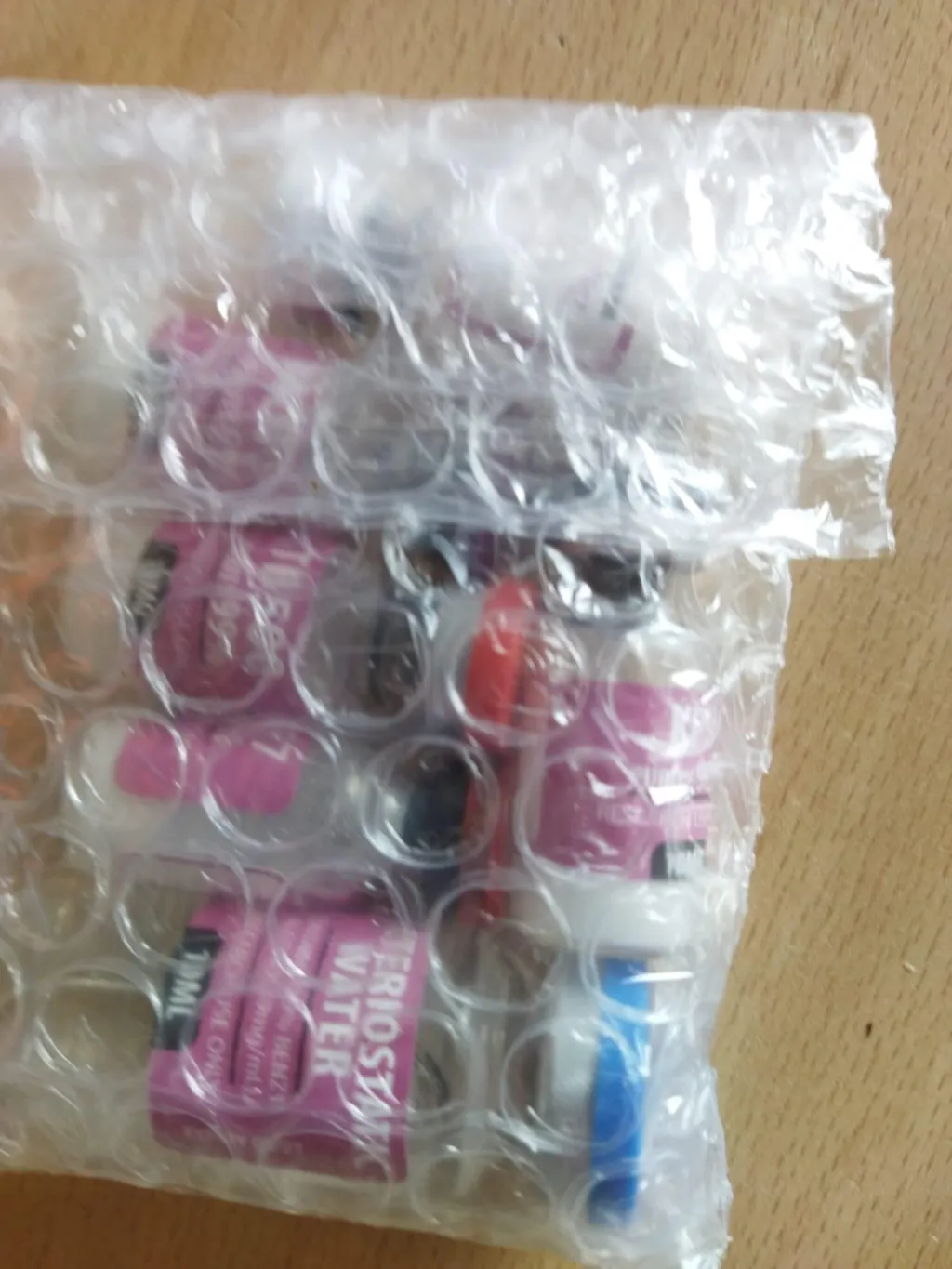


Proper storage is one of the most overlooked aspects of peptide research. Even the highest-purity compounds will degrade if stored incorrectly, leading to unreliable experimental results. This guide covers best practices for storing both lyophilised and reconstituted peptides.
Lyophilised (Freeze-Dried) Peptides
Peptides in their dry, lyophilised form are the most stable. When stored correctly, most lyophilised peptides remain viable for months to years.
- Temperature — Store at -20°C (freezer) for long-term storage, or 2-8°C (fridge) for peptides you plan to reconstitute within a few weeks
- Light — Keep vials away from direct light. UV radiation can degrade certain amino acid residues, particularly tryptophan and tyrosine
- Moisture — Lyophilised peptides are hygroscopic — they absorb moisture from the air. Always keep vials sealed until ready for reconstitution
- Handling — Minimise the number of times you open and close a vial. Each exposure to ambient air introduces moisture
Reconstituted Peptides
Once you have reconstituted your peptide with bacteriostatic water, the stability window narrows significantly.
- Refrigerate immediately — Store reconstituted peptides at 2-8°C. Never leave them at room temperature
- BAC water extends shelf life — Peptides reconstituted with bacteriostatic water typically remain stable for 4-6 weeks at 2-8°C. The benzyl alcohol preservative inhibits bacterial growth
- Sterile water has a shorter window — If reconstituted with plain sterile water (no preservative), use within 48 hours or freeze in single-use aliquots
- Avoid freeze-thaw cycles — Repeatedly freezing and thawing a reconstituted peptide solution causes degradation. If you need to freeze, divide into single-use aliquots first
Signs of Peptide Degradation
Watch for these indicators that a peptide may have degraded:
- Cloudiness or particulates — A clear solution turning cloudy may indicate aggregation or bacterial contamination
- Colour change — Any change in the colour of the solution suggests chemical degradation
- Unusual odour — A foul smell indicates bacterial contamination — discard immediately
- Clumping of lyophilised powder — If dry powder has become clumpy or sticky, moisture has likely entered the vial
Storage Quick Reference
| Form | Storage Temp | Shelf Life | Notes |
|---|---|---|---|
| Lyophilised (long-term) | -20°C | 12-24 months | Keep sealed, away from light |
| Lyophilised (short-term) | 2-8°C | 3-6 months | Use within weeks ideally |
| Reconstituted (BAC water) | 2-8°C | 4-6 weeks | Most common research setup |
| Reconstituted (sterile water) | 2-8°C | 48 hours | Freeze aliquots if needed |
Essential Storage Supplies
Having the right supplies ensures your research compounds stay viable:
- Bacteriostatic water — the preferred reconstitution solvent for multi-use vials
- Peptide pen travel case — insulated storage for transporting reconstituted peptides
- Reusable peptide pen — precise dosing with proper cartridge storage
Every product from Regen Peptides ships with storage instructions and a Certificate of Analysis confirming ≥99% purity at the time of testing.
This article is for educational and informational purposes only. All peptides sold by Regen Peptides are strictly for in-vitro research and laboratory use. Not for human consumption.