

Nicotinamide adenine dinucleotide (NAD+) is a coenzyme found in every living cell, playing a central role in hundreds of metabolic processes. It has emerged as one of the most significant molecules in ageing research, with a growing body of evidence linking declining NAD+ levels to age-related cellular dysfunction.
What Is NAD+?
NAD+ exists in two forms: NAD+ (the oxidised form) and NADH (the reduced form). Together, they serve as electron carriers in metabolic reactions, particularly in mitochondrial energy production. NAD+ is essential for the function of sirtuins — a family of proteins that regulate cellular health, DNA repair, and inflammatory responses.
Why NAD+ Declines With Age
Research has consistently demonstrated that NAD+ levels decline with age across multiple tissue types. This decline is attributed to several factors:
- Increased CD38 activity — CD38 is an enzyme that consumes NAD+, and its expression increases with age and chronic inflammation
- Reduced biosynthesis — The enzymatic pathways that produce NAD+ become less efficient over time
- DNA damage accumulation — PARP enzymes, which repair DNA damage, consume NAD+ as a substrate. As DNA damage accumulates with age, more NAD+ is diverted to repair processes
Key Research Areas
Mitochondrial function — NAD+ is a critical substrate in the electron transport chain. Preclinical studies have shown that restoring NAD+ levels can improve mitochondrial membrane potential and ATP production in aged cells.
Sirtuin activation — Sirtuins (SIRT1-SIRT7) are NAD+-dependent deacetylases involved in gene silencing, DNA repair, and metabolic regulation. SIRT1 and SIRT3 in particular have been extensively studied for their roles in metabolic homeostasis.
Cellular senescence — Emerging research has examined the relationship between NAD+ depletion and the accumulation of senescent cells. Compounds like 5-Amino-1MQ, which inhibits NNMT (an enzyme that consumes NAD+ methyl donors), are being studied alongside direct NAD+ supplementation.
NAD+ and Related Compounds
The NAD+ / 5-Amino-1MQ combination is increasingly popular in research settings. While NAD+ directly replenishes cellular stores, 5-Amino-1MQ works upstream by inhibiting NNMT, potentially reducing NAD+ consumption. Other longevity-focused peptides frequently studied alongside NAD+ include Epithalon (telomerase activation research) and MOTS-c (mitochondrial-derived peptide).
Storage and Handling
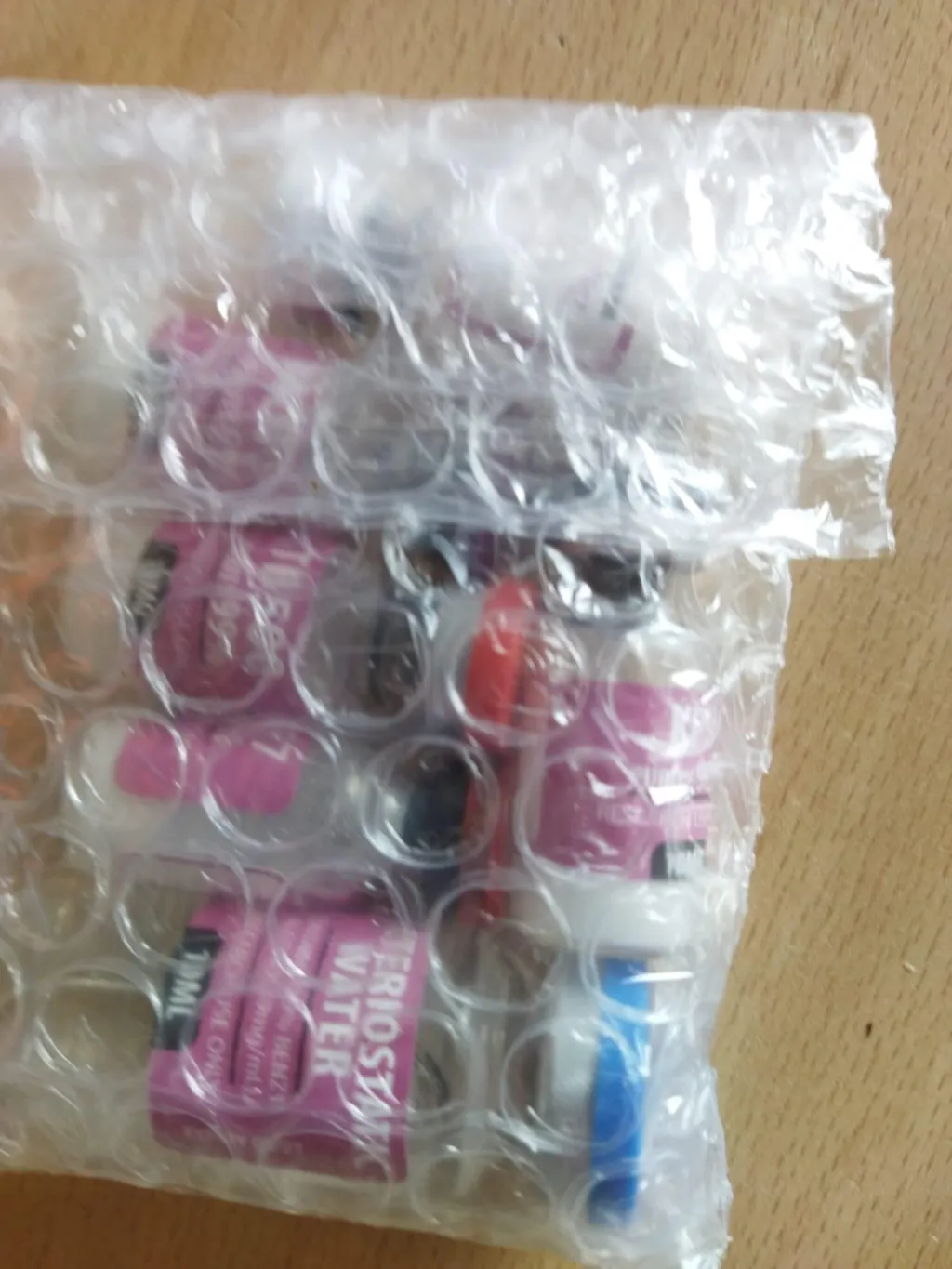
NAD+ should be stored at -20°C in its lyophilised form and reconstituted with bacteriostatic water immediately before use. Once in solution, store at 2-8°C and use within the recommended timeframe. All Regen Peptides NAD+ comes with a full Certificate of Analysis.
This article is for educational and informational purposes only. All peptides sold by Regen Peptides are strictly for in-vitro research and laboratory use. Not for human consumption.