

What Are Peptides?
A comprehensive guide to peptide science — covering structure, function, applications, and everything researchers need to know.
What Do Peptides Do?
Hormone Regulation
Peptides like insulin and GLP-1 agonists are fundamental to metabolic control. They act as chemical messengers, signalling cells and organs to perform specific functions.
Immune Response
Antimicrobial peptides are part of the body's first line of defence. Compounds like Thymosin Alpha-1 are studied for their role in modulating immune system function.
Tissue Repair
Growth factors and repair peptides like BPC-157 and TB-500 are extensively studied for their roles in wound healing, angiogenesis, and cellular migration.
Cell Signalling
Neuropeptides and signalling molecules regulate everything from sleep cycles to cognitive function. Peptides like Semax and Selank are studied for their neurological interactions.
Peptides are short chains of 2–50 amino acids linked by peptide bonds, while proteins are longer chains, typically over 50 amino acids. Peptides are smaller, simpler molecules that often serve as signalling molecules or building blocks for proteins.
Peptide Research FAQ
Answers to the questions researchers ask most about peptide science, safety, administration, and applications.
The safety of peptide supplements depends on the peptide, dosage, and individual health. Some, like collagen peptides, are generally considered safe for skin and joint health. Others, like synthetic growth hormone-releasing peptides, may have side effects or risks if misused.
Always consult a healthcare provider before using peptide supplements.
Peptide supplements are studied for potential benefits including improved muscle growth, fat loss, skin elasticity and faster recovery from injuries. For example, collagen peptides may support skin and joint health, while certain bioactive peptides may enhance muscle repair.
Benefits vary by peptide and scientific evidence is stronger for some than others.
Some peptides, like those used in skincare, may boost collagen production, reducing wrinkles and improving skin elasticity. Others, like growth hormone-releasing peptides and peptides aimed at improving mitochondrial health (such as MOTS-c and SS-31), are studied for anti-ageing properties.
Telomere-focused compounds like Epithalon are also a major area of longevity research. Results depend on the peptide and application.
Yes, peptides are used in drugs like insulin for diabetes, and GLP-1 agonists (e.g., Tirzepatide) for weight loss and diabetes management. Peptide-based drugs are designed for specific conditions and are prescribed under medical supervision.
Over 80 peptide-based drugs have received FDA approval, with hundreds more in clinical trials.
Side effects vary by peptide. Common ones include injection site reactions, nausea, or water retention for synthetic peptides. Misuse of growth hormone-related peptides can lead to joint pain, insulin resistance, or hormonal imbalances.
Always use under medical guidance to minimise risks.
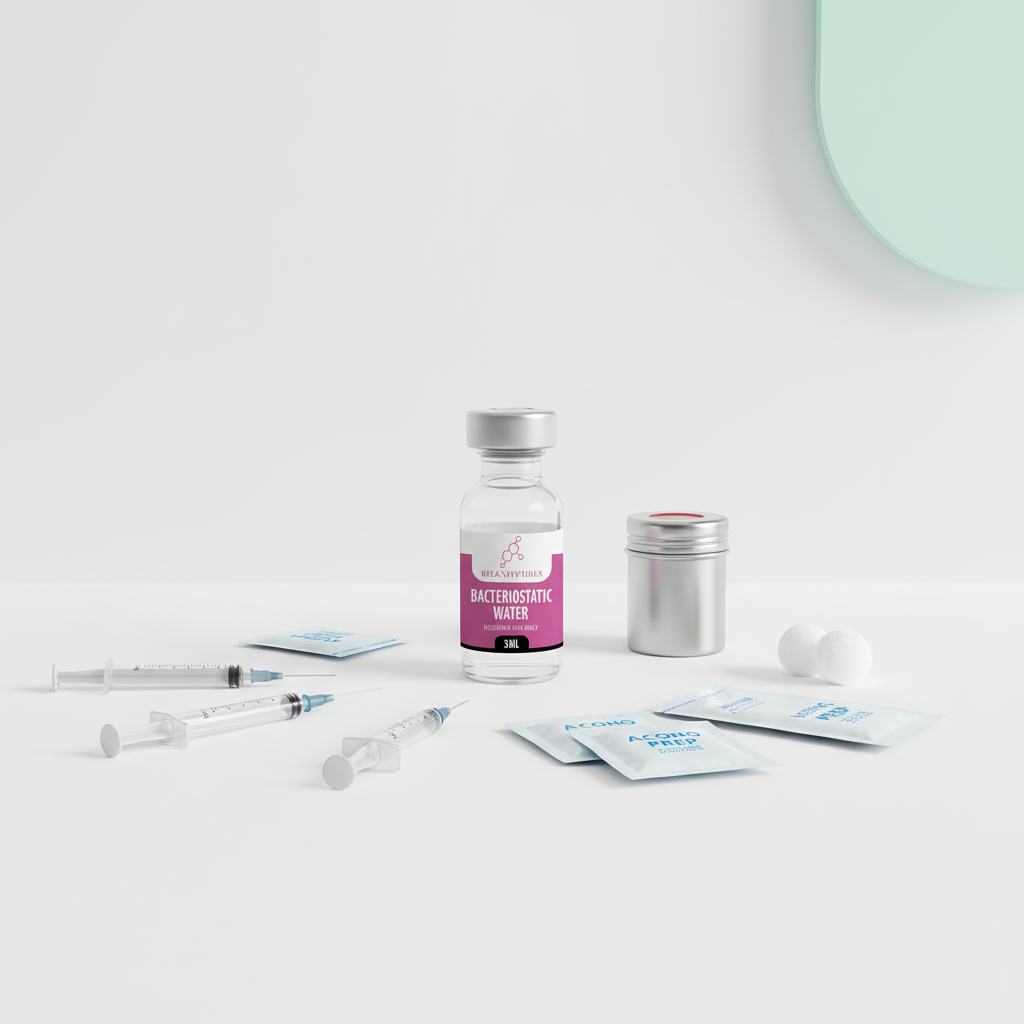
Peptides can be taken as oral supplements (e.g., collagen peptides), injections (e.g., insulin, BPC-157), topical creams (e.g., skincare peptides), or nasal sprays. The method depends on the peptide's purpose and bioavailability, with injections being the most common for research-grade peptides.
For injection-based protocols, see our reconstitution guide and peptide pen instructions.