

Key Takeaways
The latest research reveals compelling evidence about peptide therapeutics' growing impact on modern medicine, with over 80 approved drugs generating £70 billion in global sales.
-
Over 170 peptides are in active clinical development, with the global market projected to reach £335 billion by 2034 at 10.91% CAGR.
-
GLP-1 receptor agonists demonstrate proven efficacy with 1.8% HbA1c reduction and 6.1kg weight loss in clinical trials
-
Approved peptide drugs show favourable safety profiles, but unregulated products pose contamination risks, with purity ranging from 1.7% to 100%
-
Regulatory compliance varies significantly: the FDA classifies peptides as drugs, whilst WADA prohibits many peptides in competitive sport.
-
Immunogenicity remains the primary safety concern, with some peptides causing antibody formation in up to 49% of patients during trials.
The evidence supports peptides as effective therapeutics when obtained through regulated channels, but emphasises the importance of medical supervision and avoiding unregulated sources for optimal safety outcomes.

- Peptides have revolutionised modern medicine, with more than 80 peptide drugs approved worldwide and generating over $70 billion in pharmaceutical sales in 2019.
- More than 100 peptide drugs are currently FDA-approved in the U.S. alone, whilst 33 non-insulin peptide therapeutics have been approved globally since 2000.
What Are Peptides and Polypeptides: Simple Research Definitions
- Oligopeptides contain fewer than 20 amino acids, though some sources define this category as having between two and 20 residues.
- Polypeptides comprise 20 to 50 amino acids. Chains of fewer than 20 amino acids are called oligopeptides. These include dipeptides, tripeptides and tetrapeptides.
- Peptides contain two or more amino acids, usually 100 or fewer.
- Proteins consist of longer chains with more than 100 amino acids, though some classifications place the cutoff at 50 amino acids.
- Molecular weight provides another difference: peptides possess molecular weights below 5000 Da, whilst proteins exceed this value.
- This definition makes insulin the smallest protein at 5800 Da.
Current Peptide Drug Approval Statistics and Market Data
FDA-Approved Peptide Therapeutics by Year (2000-2024)
- Regulatory approvals have accelerated in the last two decades. Since 2000, 33 non-insulin peptide drugs have received approval worldwide.
- The FDA approved 102 therapeutic peptides for applications of all types, while over 80 peptide drugs gained global approval as of 2023.
- The number of peptides entering clinical trials from 2000 to 2010 nearly doubled compared to the 1990s.
- Recent approvals include 12 peptides fast-tracked through the EMA's PRIME scheme in 2024. This cut Phase 3 study durations by nine months.
- The FDA granted orphan-drug status to 47 peptide candidates in 2024, up from 32 in 2023.
Global Peptide Drug Market Revenue: $70 Billion Analysis
- The peptide therapeutics market demonstrates resilient financial performance. Global sales exceeded $39.71 billion in 2019.
- The market was valued at $131.95 billion in 2025. Market projections forecast growth to $334.95 billion by 2034, exhibiting a CAGR of 10.91%.
- Another analysis projects the market reaching $70.20 billion by 2031 at a 7.16% CAGR.
Top-Selling Peptide Medications and Their Indications
- Semaglutide led global peptide drug sales in the first half of 2023 with $71.65 billion.
- Eli Lilly's Trulicity (dulaglutide) generated $4.02 billion in 2020.
- Novo Nordisk's semaglutide and liraglutide combined for $6.12 billion in 2020.
Clinical Trial Pipeline: 170+ Peptides in Active Development

- More than 170 peptides are in active clinical development, with over 280 peptide drugs undergoing preclinical and clinical studies.
- Currently, 38 peptide drugs are in phase III clinical trials.
- Research Data on Peptide Efficacy Across Therapeutic Areas
GLP-1 Receptor Agonists: Type 2 Diabetes Treatment Success Rates

- Semaglutide achieved a 1.8% HbA1c reduction and 6.1 kg weight loss in phase III trials.
- Cardiovascular outcome studies showed substantial MACE reductions: 13% with liraglutide and 26% with semaglutide.
- Network meta-analysis of 6,213 patients revealed that semaglutide 2.0mg delivered the strongest glucose-lowering effect at -1.74% HbA1c reduction and -5.51 kg weight loss.
- Peptides for Muscle Growth: Evidence from Clinical Studies
- Pea peptide supplementation combined with resistance exercise substantially increased muscle thickness, upper limb grip strength, and cross-sectional area of muscle fibres.
- Collagen peptides with 14 weeks of resistance training produced a 70% increase in patellar tendon length and 60% increase in tendon cross-sectional area.
- Anti-Ageing Peptides: Collagen and Copper Peptide Research Findings
- Eight-week collagen peptide treatment resulted in 40% pain reduction and 25% functional improvement in meniscopathy patients.
- Long-term supplementation (10-20 g/day for 6-9 months) showed substantial benefits, with 20 g daily improving physical component scores in females (p=0.013).
- Copper peptide studies showed skin improvements of 60% to 80%.
- Antimicrobial Peptides: Wound Healing and Infection Control Data
Cancer Treatment Peptides: Response Rate Statistics
DrugBank identifies 460 cancer-targeting agents, with peptide-based drugs representing 6.3% (29 agents). Twenty-eight approved anticancer peptide drugs and 80 in clinical trials, show expanding therapeutic applications.
Are Peptides Safe: Comprehensive Safety Statistics and Adverse Event Data
Safety profiles for approved peptide therapeutics differ from unregulated formulations, with immunogenicity and adverse event data revealing distinct risk patterns.
Immunogenicity Rates: Peptides vs Biologics Comparison

Antidrug antibodies can develop over time and reduce efficacy or cause adverse immune reactions. Taspoglutide development halted during Phase III trials after ADA formation occurred in 49% of subjects, with 31 of 51 patients withdrawing due to allergic or anaphylactoid reactions. FDA guidelines require immunogenicity risk assessment for impurities above 0.1%.
Common Side Effects: Incidence Rates from Clinical Trials
MHRA received 7,228 reports of gastrointestinal reactions with GLP-1RAs for weight management. This included 68 hospitalisations. FAERS analysis identified 287,201 adverse events associated with GLP-1RAs, with Ozempic showing 43.9% serious adverse events. Peptide cancer vaccines produced six vaccine-related severe adverse events in 500 patients. All were grade 3 reactions.
Long-Term Safety Monitoring Results
Clinical trials lasting 6 to 12 months may never detect ADA formation, which develops over extended use. Post-marketing surveillance depends on voluntary reporting and is designed poorly to detect gradual, cumulative effects.
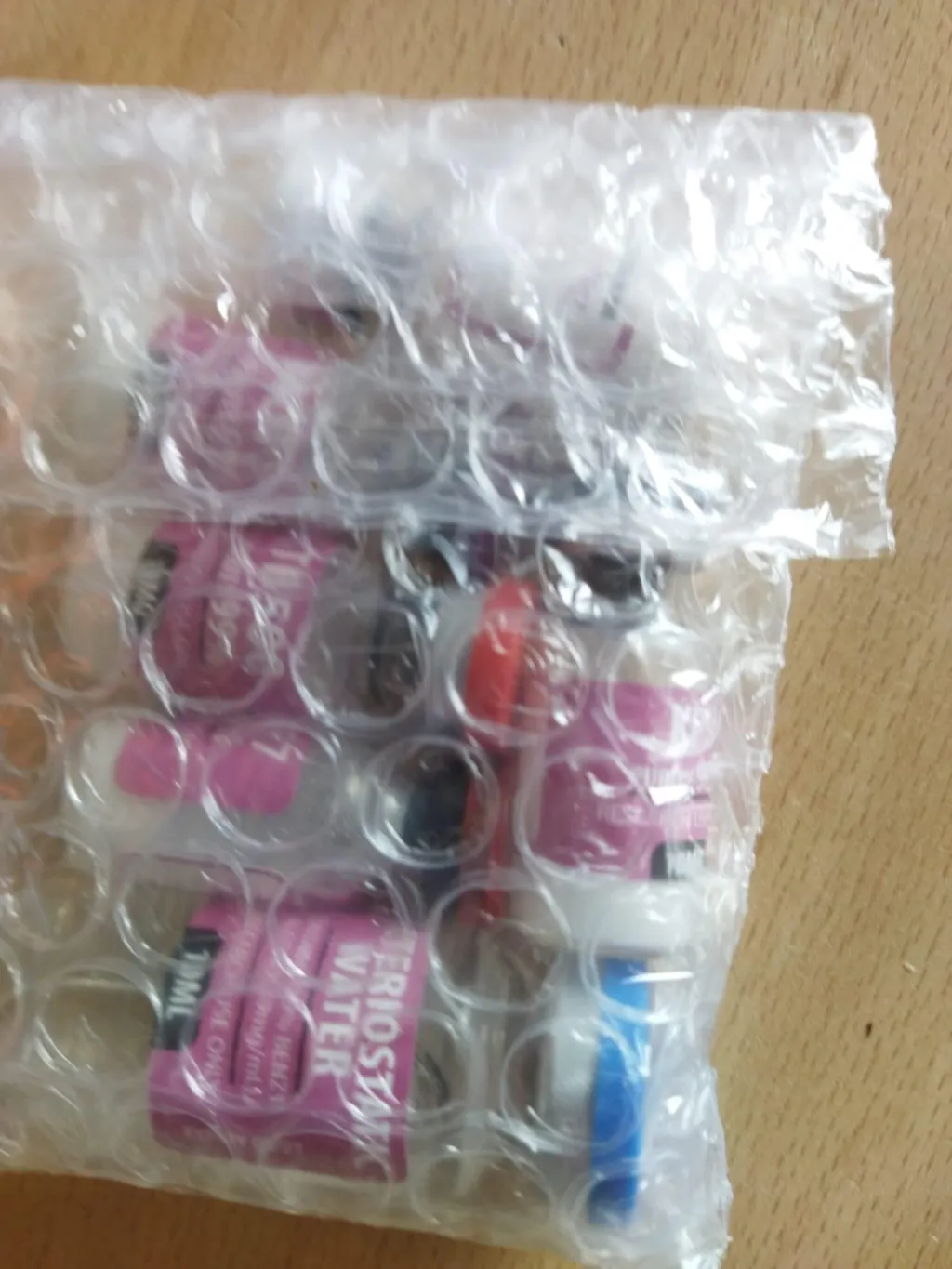
Contamination Risks in Unregulated Peptide Products

CJC-1295 purity ranged from 1.7% to 100%, and TB-500 from 3.2% to 99.9% in testing. Independent testing found purity discrepancies compared to supplier claims.
Injection-Related Complications: Statistical Overview
CGRP monoclonal antibody studies reported 65,792 adverse events, with injection site pain affecting 24.37% of galcanezumab users. Galcanezumab produced 10,012 injection-site adverse events, representing 59.82% of all reported reactions.
Are Peptides Legal: Regulatory Status and Compliance Data
Regulatory frameworks governing peptides differ across jurisdictions and create complex compliance requirements for manufacturers, prescribers and consumers.
MHRA and FDA Regulatory Classifications
- The FDA defines peptides as amino acid chains containing 40 or fewer amino acids and regulates them as drugs rather than biologics.
- Compounding occurs under Section 503A and 503B frameworks, with 503A facilities preparing patient-specific medications pursuant to individual prescriptions.
- MHRA regulations classify products making medicinal claims as medicines subject to the Human Medicines Regulations 2012.
- MHRA defines medicinal products as substances that prevent or treat disease, or modify physiological function.
World Anti-Doping Authority Banned Substances List
WADA's 2026 Prohibited List has S2 peptide hormones, growth factors and related substances as prohibited at all times.
Prescription vs Over-the-Counter Peptide Statistics
About 14 of 19 peptides classified as Category 2 substances may move to Category 1 status and expand legal compounding access. Peptides meeting FDA approval criteria, possessing USP monographs, or appearing on the 503A Bulks List qualify for compounding.
Enforcement Actions Against Unauthorised Peptide Sales
Coordinated enforcement operations arrested nearly 800 suspects and dismantled 123 criminal groups. MHRA confirmed investigations into UK clinics making medicinal claims for peptide treatments. The FDA issued warning letters targeting facilities with RUO GLP-1s sold without prescriptions.
Conclusion
This piece covers their molecular definitions and market performance, along with clinical applications. We got into efficacy statistics across therapeutic areas. GLP-1 receptor agonists achieve 1.8% HbA1c reductions. Collagen peptides demonstrate 70% improvements in tendon length.
FAQs on Peptide Statistics
What exactly are peptides, and how do they differ from proteins?
Peptides are short chains of amino acids linked by peptide bonds, typically containing between 2 and 100 amino acids. The main difference from proteins lies in their length and structure: peptides generally have molecular weights below 5000 Da and often lack stable three-dimensional structures, whilst proteins contain more than 100 amino acids, exceed 5000 Da in molecular weight, and fold into complex three-dimensional conformations with multiple functional domains.
How many peptide drugs are currently approved for medical use?
More than 100 peptide drugs are currently FDA-approved in the United States, with over 80 peptide drugs approved worldwide as of 2023. Since 2000, 33 non-insulin peptide therapeutics have received global approval. Additionally, more than 170 peptides are currently in active clinical development, with 38 in phase III clinical trials.
Are peptides effective for muscle growth and recovery?
Clinical studies demonstrate that certain peptides can support muscle development when combined with resistance training. Research shows pea peptide supplementation significantly increased muscle thickness, upper limb grip strength, and muscle fibre cross-sectional area. Collagen peptides combined with 14 weeks of resistance training produced a 70% increase in patellar tendon length and 60% increase in tendon cross-sectional area.
What are the main safety concerns associated with peptide use?
The primary safety concerns include immunogenicity (development of antidrug antibodies), gastrointestinal reactions, and contamination risks in unregulated products. Clinical data show that MHRA received 7,228 reports of gastrointestinal reactions with GLP-1 receptor agonists, whilst independent testing of unregulated peptides revealed significant purity discrepancies, with some products showing purity levels as low as 1.7% compared to supplier claims.
Are peptides legal to purchase and use in the UK?
The legality depends on the specific peptide and its intended use. Peptides making medicinal claims are classified as medicines under the Human Medicines Regulations 2012 and require proper authorisation. FDA-approved peptides can be legally compounded under specific frameworks when prescribed by healthcare professionals. However, the World Anti-Doping Authority prohibits many peptides in competitive sports, and the MHRA actively investigates clinics making unauthorised medicinal claims for peptide treatments.